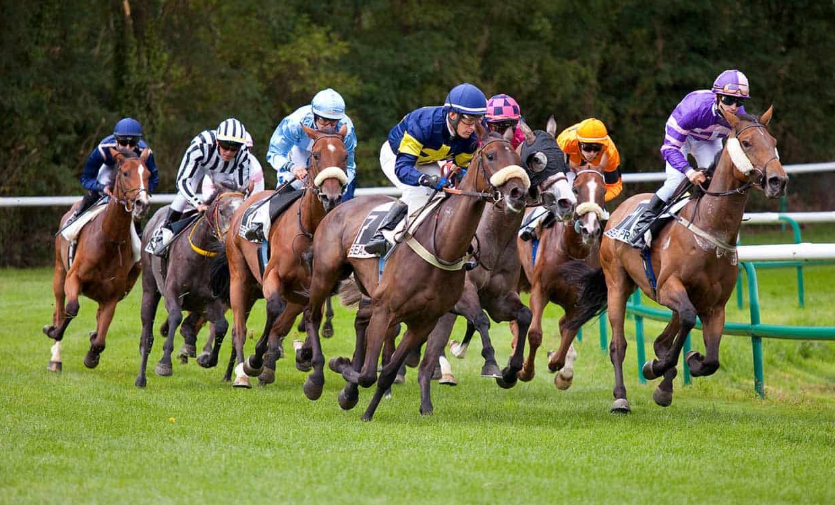
Horses inherit athletic traits through a complex interplay of genetics and selective breeding. Specific alleles influence characteristics such as speed and endurance, which breeders target to enhance performance in future generations. However, genetic predisposition alone does not determine success. Environmental factors, including training regimes and living conditions, also play a crucial role. Understanding how these elements interact can provide deeper insights into the evolution of equine athleticism and its implications for breeding practices.
Understanding Equine Genetics
As researchers delve into equine genetics, they uncover the intricate mechanisms that govern athletic traits in horses.
Genetic inheritance plays a crucial role in trait expression, with specific alleles influencing performance attributes such as speed and endurance.
The Impact of Selective Breeding
Selective breeding has significantly influenced the development of athletic traits in horses, as breeders intentionally choose individuals with desirable characteristics to propagate those traits in future generations.
This practice applies selective pressure, enhancing specific attributes such as speed and endurance. Effective breeding practices, grounded in genetic understanding, facilitate the transmission of these traits, ultimately shaping the equine population to meet the demands of varied equestrian disciplines.
See also: How Horses Learn to Stand Calmly in the Gate
The Role of Environmental Factors
While selective breeding lays the foundation for athletic traits in horses, environmental factors also play a significant role in shaping these characteristics.
Habitat influence, including terrain and climate, can enhance or hinder the development of physical abilities.
Additionally, training methods employed during formative years further refine innate potential, ensuring that horses are not solely products of genetics but also of their surrounding environment.
Evaluating Athletic Performance in Horses
How can one accurately assess the athletic performance of horses? Evaluating performance metrics such as speed, endurance, and agility is crucial.
Utilizing advanced training techniques, including interval training and biomechanical analysis, enhances performance assessments. Additionally, consistent monitoring of physiological responses during training provides insights into the horse’s capabilities.
This data-driven approach ensures informed decisions for optimizing equine athletic potential and tailoring training regimens effectively.
Conclusion
In conclusion, while breeders meticulously curate equine lineages to sculpt the perfect athlete, one must ponder whether the true secret lies in genetics or the latest trend in organic oats. As horses gallop towards glory, they remain unwitting participants in a grand genetic lottery, where the stakes are high and the odds are stacked by human ambition. Ultimately, as they chase the finish line, one might wonder if the real winners are the breeders, not the horses themselves.
Leave a Reply