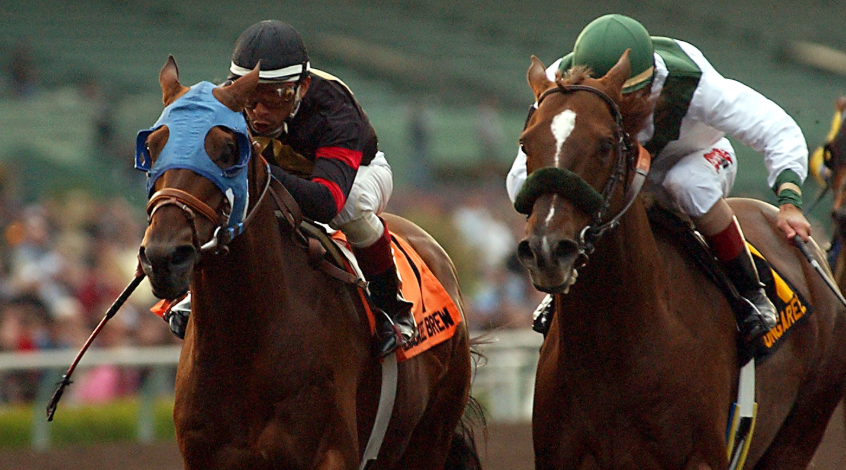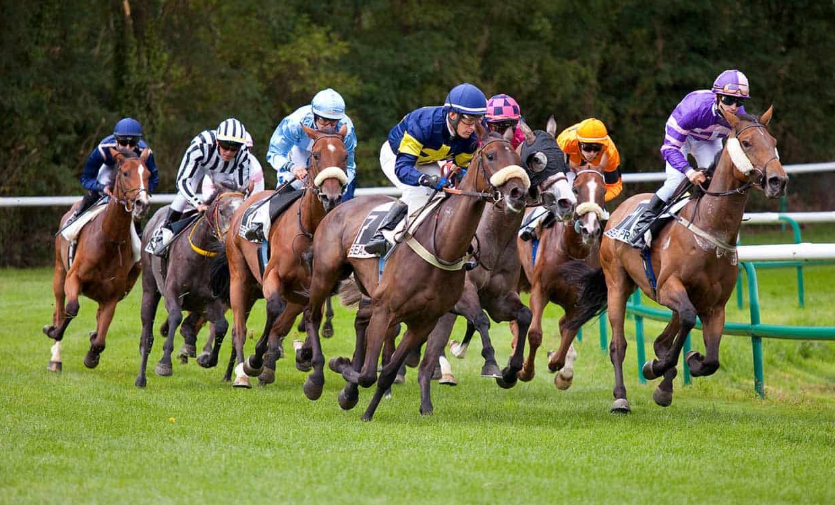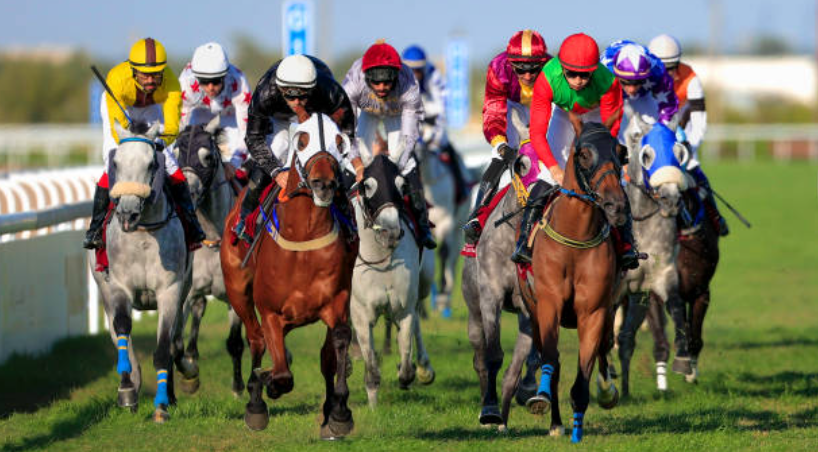
Horses possess a remarkable ability to navigate their environments. Their vision is finely tuned, allowing for depth perception and awareness of subtle movements. Coupled with their acute hearing, they can detect sounds that may signal danger. This sensory interplay shapes their instincts and responses to threats. Furthermore, their social interactions add another layer to their perception. What lies beneath these sensory capabilities and how do they influence horse behavior in the wild?
The Role of Vision in Equine Perception
Vision serves as a primary gateway through which horses interpret their environment.
With their unique binocular vision, horses are equipped to judge distances accurately, essential for navigating varied terrains. Their color perception, though limited compared to humans, enables them to distinguish between shades, aiding in the identification of food and potential threats.
This visual acuity fosters a sense of freedom and awareness in their expansive surroundings.
See also: How Horses Pass Down Athletic Traits
The Importance of Hearing in Horses
Sound plays a crucial role in how horses interact with their environment, influencing their behavior and overall well-being.
Their auditory awareness enables them to detect subtle sounds, while sound localization helps pinpoint the source of a noise.
This keen sense of hearing allows horses to navigate their surroundings effectively, fostering a sense of freedom and security in their daily lives.
Instincts and Survival: How Horses React to Threats
Horses possess a remarkable set of instincts that are vital for their survival, particularly when faced with potential threats. Their flight response is instinctive, driven by acute environmental awareness and sharp predator detection.
Additionally, the herd mentality enhances their safety, as horses often rely on the collective vigilance of their companions to identify dangers, ensuring a swift, coordinated escape when necessary.
Social Behavior: Communication and Interaction Among Horses
While observing the intricate dynamics of equine interactions, one quickly realizes that social behavior among horses is a complex tapestry woven from various forms of communication.
Herd dynamics are shaped by subtle body language and vocalizations, reflecting social hierarchies within the group. Each interaction serves to reinforce bonds, establish roles, and navigate the delicate balance of freedom and cooperation essential for their well-being.
Conclusion
In the hushed stillness of a vast meadow, a horse stands, its ears twitching as it scans the horizon with vigilant eyes. Every rustle in the grass is a potential signal, every shadow a fleeting threat. Yet, in this delicate balance of awareness, the horse embodies a profound connection to its world—each moment a dance of instinct and perception. As twilight descends, the landscape transforms, leaving one to ponder: what unseen dangers lurk just beyond the fading light?