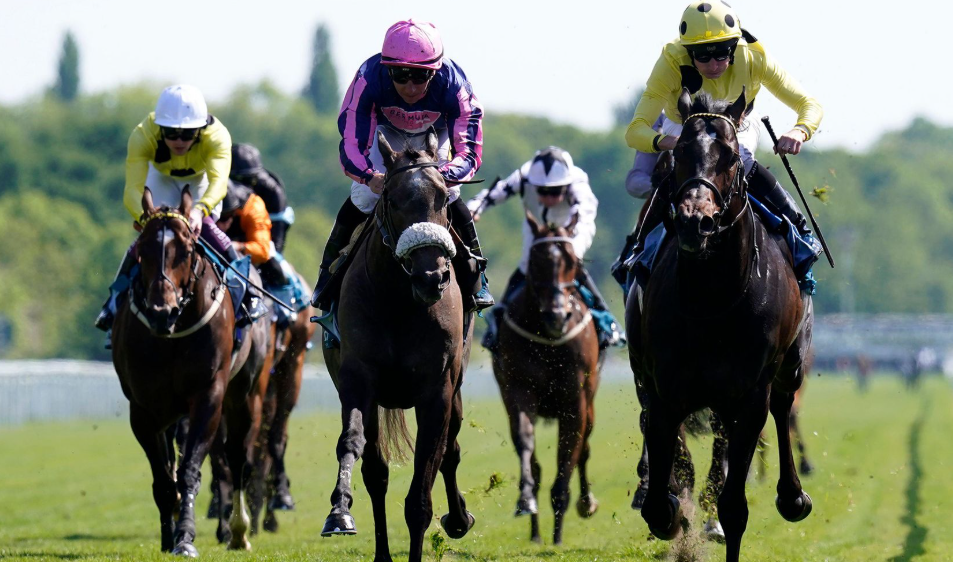
Horses exhibit a remarkable ability to adapt to the demands of tight turns, but this skill develops through a structured approach. Their balance and coordination are essential for executing these maneuvers effectively. Various techniques, including gradual exercises and positive reinforcement, play a significant role in this learning process. However, individual differences among horses can complicate training. Understanding these nuances could reveal deeper insights into enhancing performance in competitive settings.
Understanding Equine Balance and Coordination
As horses navigate their environment, their ability to maintain balance and coordination becomes crucial, particularly during tight turns.
Understanding equine biomechanics reveals how their bodies adapt to shifting weight and momentum.
Balance exercises can enhance their stability, allowing for more fluid movements.
Observing these elements fosters empathy for the horse’s experience, highlighting their innate desire for freedom in movement and expression.
Techniques for Teaching Tight Turns
Teaching horses to execute tight turns requires a thoughtful approach that builds on their natural balance and coordination.
Effective techniques include structured turning exercises that encourage responsiveness to rider cues. By gradually reducing the radius of turns and reinforcing positive behaviors, riders can cultivate a sense of freedom in their horses, enhancing both trust and agility.
Ultimately, this facilitates smoother, more controlled maneuvers.
Factors Influencing a Horse’s Learning Process
While the process of learning can vary significantly among individual horses, several key factors influence their ability to absorb and execute new skills, such as tight turns.
Learning styles play a crucial role, as some horses thrive on visual cues while others respond better to auditory signals.
Additionally, environmental factors—such as surroundings, weather, and noise—can greatly impact a horse’s focus and comfort during training.
Tips for Enhancing Turn Performance in Equestrian Events
To enhance turn performance in equestrian events, it is vital to understand the unique dynamics between horse and rider.
Observing effective turning techniques, riders can refine their approach during event preparation. Building trust through consistent practice fosters a harmonious bond, allowing for fluid movements.
Utilizing proper cues and maintaining a balanced seat empowers both horse and rider to navigate tight turns with confidence and agility.
Conclusion
In conclusion, mastering tight turns is a multifaceted process that hinges on a horse’s balance, coordination, and the rider’s communication skills. For example, a seasoned eventer may find that her mare, initially hesitant to navigate sharp corners, responds positively to gradual exposure and visual cues. Through patience and consistent practice, the mare not only improves her agility but also strengthens her trust in the rider, illustrating the profound bond that enhances performance in equestrian disciplines.
Leave a Reply